October 31, 2026
Investing in residential climate equipment is a major decision for any household. When summer temperatures climb, you rely on refreshing airflow to keep indoor spaces comfortable and safe. Understanding the anticipated operational life of cooling machinery allows you to plan household budgets effectively and avoid unexpected breakdowns during the warmest months.
Many homeowners wonder whether their cooling setup is approaching the point of replacement or simply requires standard upkeep. Experienced AC contractors can evaluate internal parts, diagnose ongoing issues, and help you determine whether your setup will continue running smoothly.
Recognizing the subtle signs of declining equipment performance is just as essential as understanding typical durability. When cooling machinery struggles, it often communicates distress through decreased air velocity, unusual sounds, or rising energy consumption.
Understanding Average Equipment Lifespans
Every cooling unit undergoes constant mechanical strain during its operational existence. The moving parts, electrical circuits, and delicate coils gradually wear down from heat, friction, and pressure. While high-grade cooling systems are engineered for lasting performance, daily operation eventually takes an unavoidable toll on key components.
Industry data confirms that cooling replacements occur on an enormous scale across the country. According to WebFX, three million HVAC units are replaced each year by property owners seeking restored comfort and dependable performance. Learning when your own machinery is approaching its final cycle helps you anticipate necessary upgrades long before a total mechanical breakdown occurs.
Internal mechanisms such as the blower motor and compressor endure intense stress whenever temperatures soar. Over prolonged periods of continuous operation, metal parts experience thermal expansion and contraction that gradually weakens protective seals. Maintaining realistic expectations about how long these complex mechanical parts can function ensures you remain fully prepared for eventual system updates.
Furthermore, technological advancements continually redefine what constitutes acceptable equipment performance. Modern cooling units offer vastly superior airflow management, intelligent humidity control, and whisper-quiet operation compared to machinery built decades ago.
Scheduling Routine Professional Maintenance
Regular mechanical service plays a decisive role in extending equipment durability. Air filters trap airborne debris, but internal components like blower motors, condensate drains, and evaporator coils collect grime that reduces system airflow. When components become coated in dirt, the entire apparatus works significantly harder to reach desired indoor temperatures.
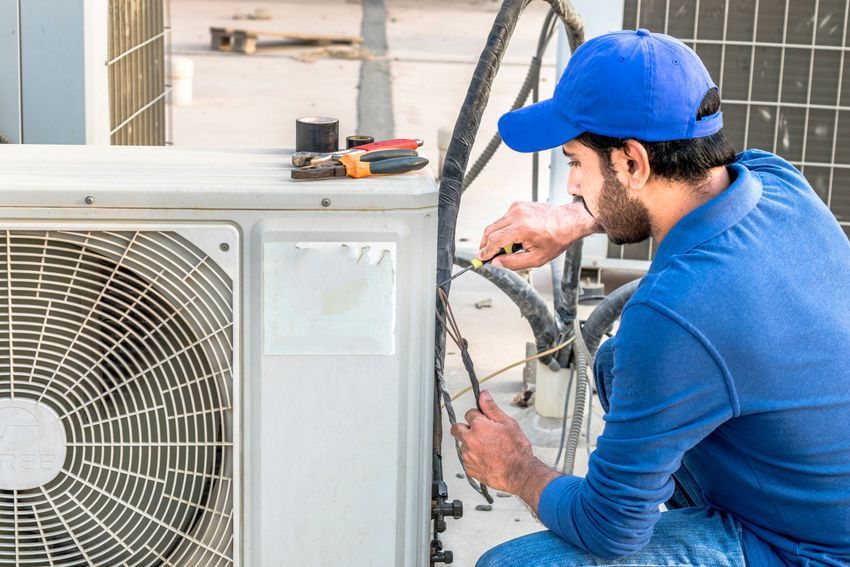
Dedicated AC contractors perform thorough inspections that clean critical parts, lubricate bearings, and calibrate delicate controls. These visits uncover subtle problems before minor wear causes permanent damage. Arranging seasonal evaluations preserves mechanical health and guarantees that minor component issues never escalate into costly system disasters.
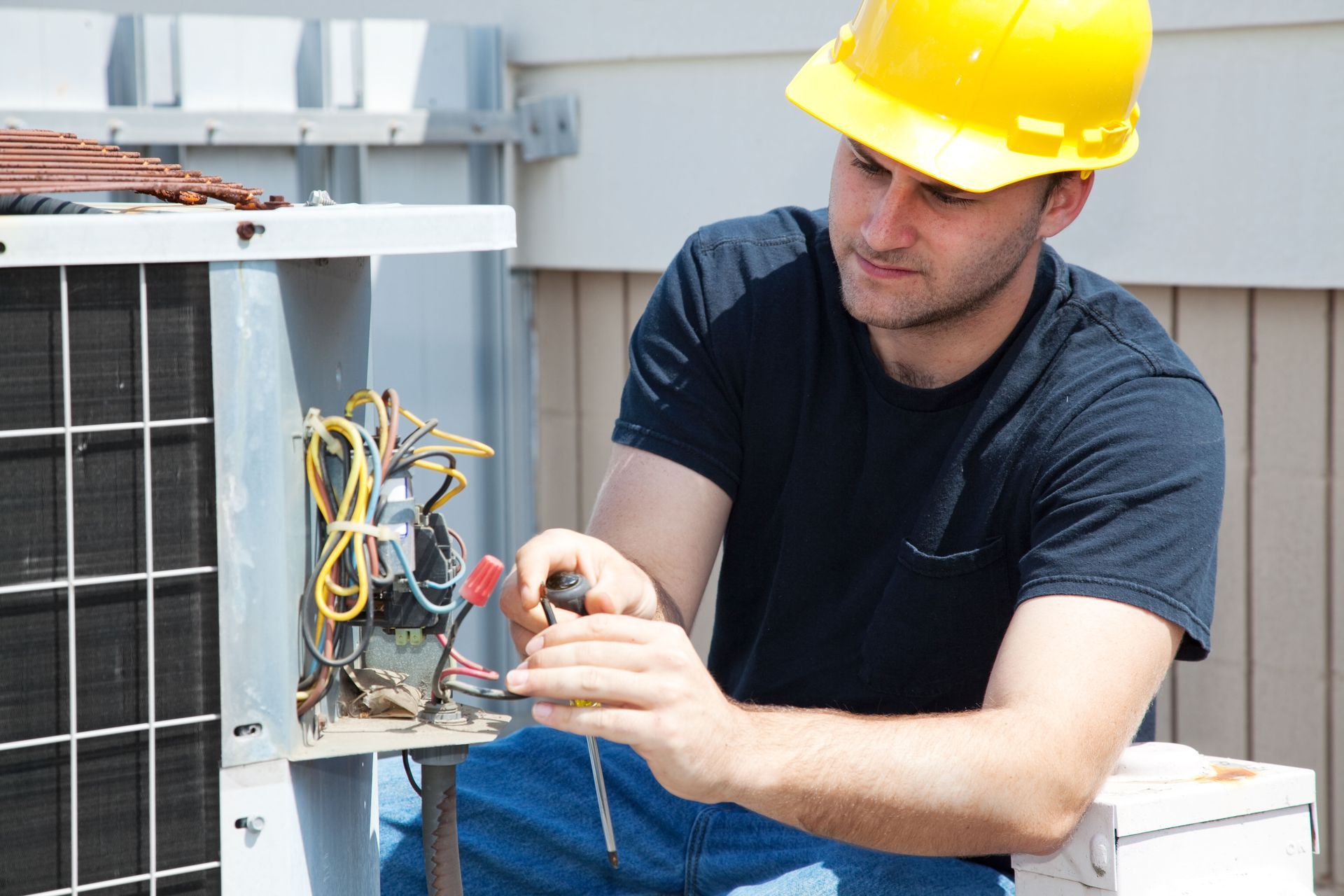
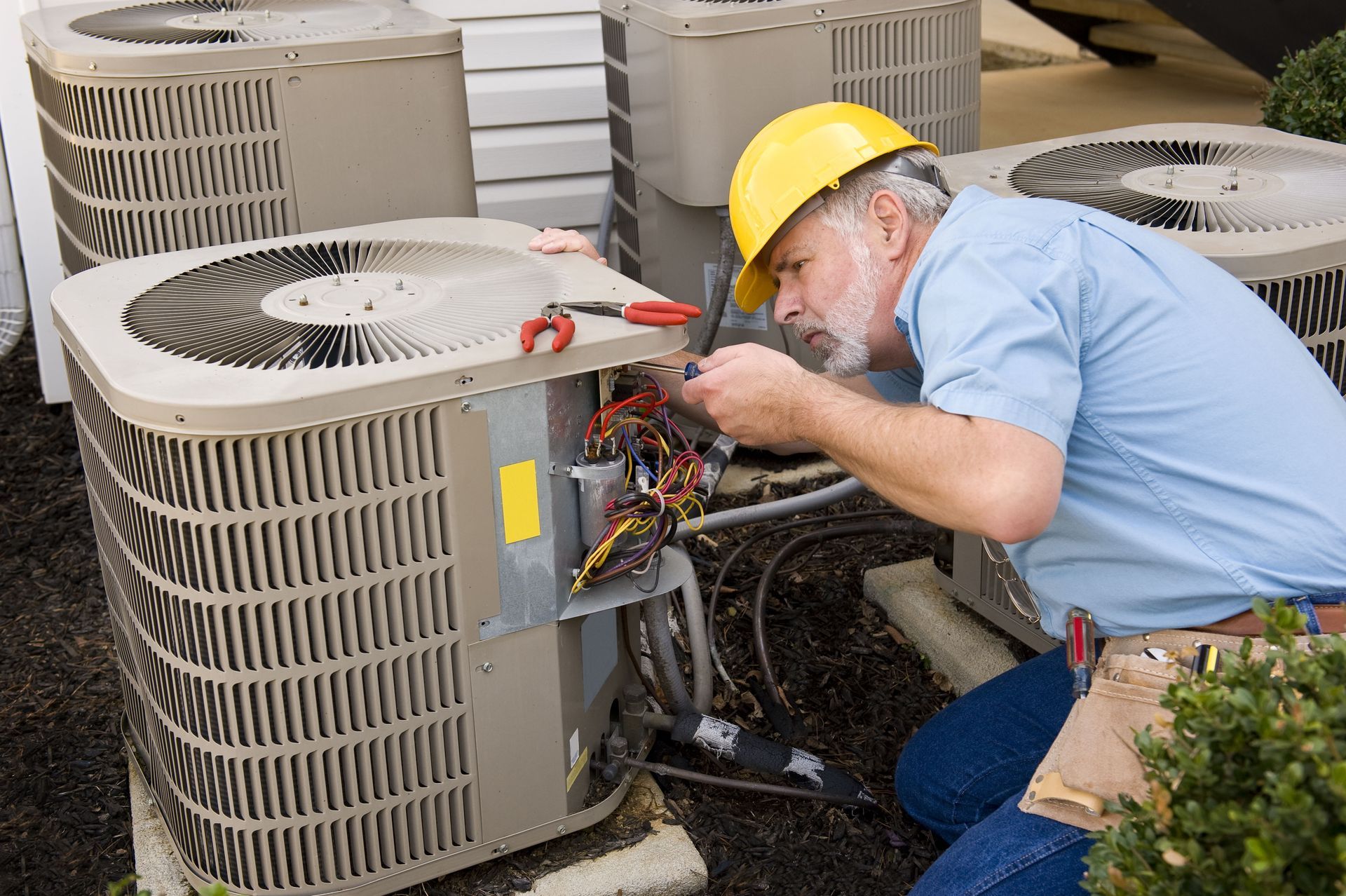
During a typical tune-up, certified technicians examine electrical connections, measure refrigerant pressure, and ensure that safety switches operate flawlessly. Loose wiring or dirty contacts can cause electrical arcs that damage sensitive circuit boards. Thorough cleanings also prevent mold and bacterial growth inside condensate pans, protecting indoor air purity throughout the summer.
Neglecting regular servicing often cuts system longevity substantially short. Small inefficiencies compound over time, forcing compressors to operate at dangerously elevated temperatures. By establishing a consistent maintenance routine with trusted professionals, you dramatically reduce mechanical friction, lower energy waste, and add extra cooling seasons to your equipment.
Addressing Severe Environmental Conditions
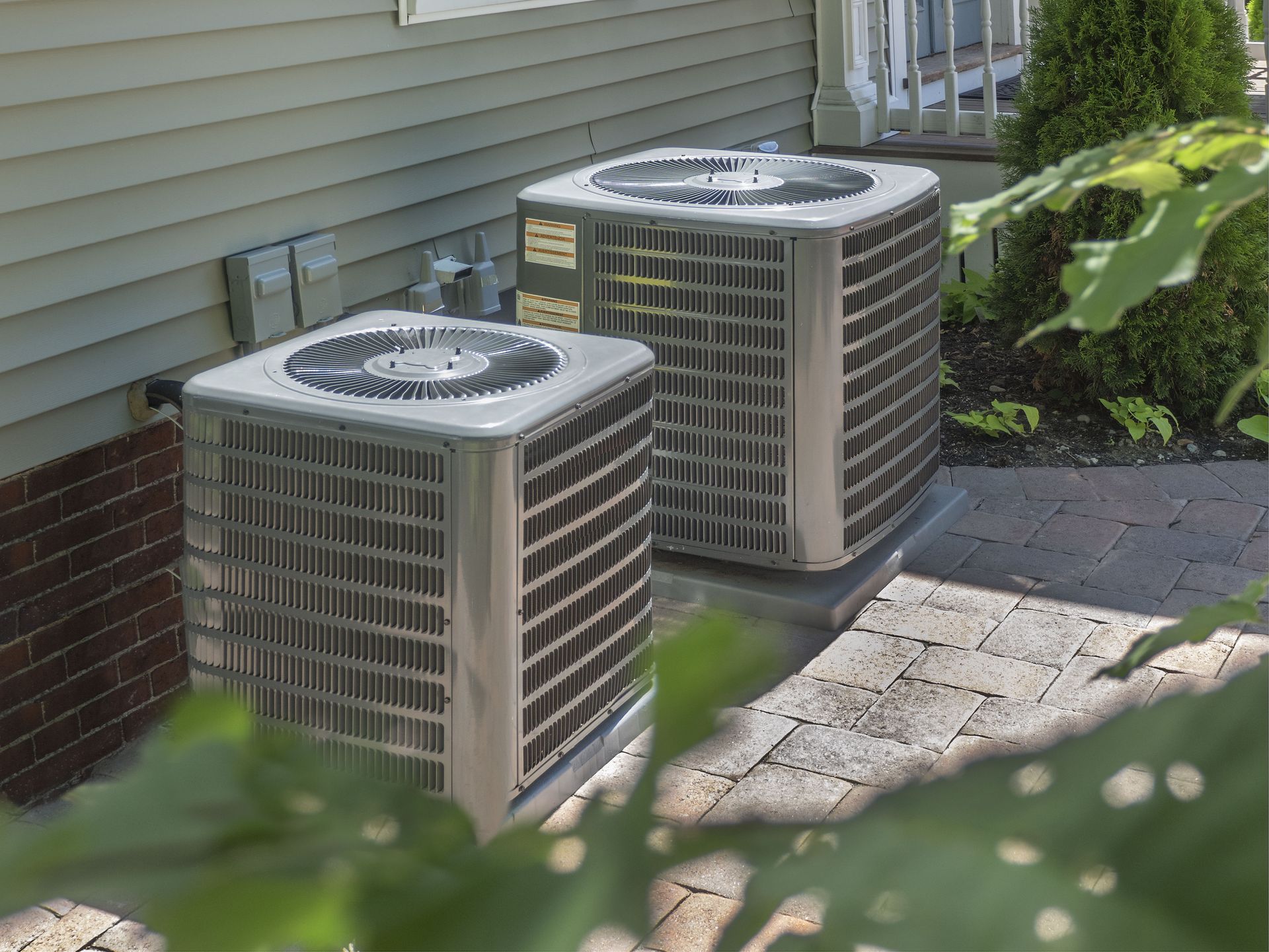
Regional weather patterns exert an enormous influence on mechanical endurance. Homes located in areas characterized by high humidity, coastal salt spray, or intense thermal spikes place extreme demands on outdoor condenser units. Constant exterior moisture accelerates rust formation, while intense exterior heat forces cooling mechanisms to run through prolonged cycles without rest.
Knowledgeable AC contractors understand how regional weather patterns degrade exterior metal casings and internal fins. By taking steps to protect outdoor condensers from yard debris, direct sun exposure, and corrosive coastal air, you prevent early deterioration.
Vegetation surrounding exterior machinery also demands ongoing attention. Shrubs, tall grass, and falling autumn leaves can easily obstruct critical intake vents, trapping heat inside the condenser cabinet. When air cannot circulate freely around the exterior coils, the compressor must labor against excessive internal head pressure, drastically accelerating hardware fatigue.
Direct exposure to scorching afternoon sunlight further complicates outdoor cooling performance. Positioning condenser units on shaded sides of a residence or installing protective overhead awnings can lower ambient temperatures around the machinery. Shielding exterior units from environmental extremes preserves critical aluminum fins and ensures reliable heat dissipation during blistering summer heatwaves.
Selecting Proper Sizing Specifications
The physical dimensions and cooling output of equipment must match the interior space precisely. If cooling machinery is oversized, it cools rooms too rapidly without running long enough to pull excess humidity from indoor air. This rapid starting and stopping cycle wears out motors and compressors prematurely.
Conversely, units that are undersized must run without interruption in an attempt to cool large spaces. Certified AC contractors perform precise load calculations to prevent these sizing errors entirely. Choosing properly matched equipment prevents mechanical fatigue, maintains balanced indoor humidity, and ensures that internal motors do not burn out from chronic overexertion.
Accurate load calculations examine numerous architectural details beyond mere square footage. Insulation levels, window orientations, ceiling heights, and local climate patterns all impact the total cooling load required for balanced indoor temperatures.
Improperly matched machinery also causes severe indoor air quality issues. Oversized units leave living spaces feeling clammy and damp because short cycles fail to condense ambient moisture across cooling coils.
Spotting Common Aging Symptoms
As cooling equipment ages, distinct warning signs begin to indicate advancing internal wear. Uneven temperatures across different rooms, unusual grinding sounds, and persistent musty odors often point to declining component health. Furthermore, electric bills often creep upward as internal parts lose their original efficiency and draw excess electrical power.
Consulting seasoned AC contractors when these symptoms emerge helps determine whether repairs are still practical. Frequent component breakdowns indicate that internal mechanisms have reached the final phase of their operational life. Catching these signals early lets you prepare for a planned equipment transition rather than dealing with an emergency failure during summer heatwaves.
Strange noises such as squealing belts, buzzing relays, or rattling fan blades should never go ignored. These auditory warnings frequently signify that rotating components have slipped out of alignment or lost adequate lubrication. Allowing mechanical friction to persist unchecked eventually triggers catastrophic compressor seizure, leaving homes completely without cooling during dangerous temperature spikes.
Pervasive indoor humidity provides another unmistakable indication of deteriorating mechanical health. When aging coils struggle to cool effectively, air circulating through vents remains warm and sticky despite constant thermostat adjustments. Recognizing these developing physical symptoms empowers homeowners to arrange proactive replacements before cooling systems fail entirely.
Maximizing Daily Operational Habits
Day-to-day household habits directly shape how many seasons of service your cooling unit delivers. Operating programmable thermostats reduces workload by adjusting target temperatures when living areas are completely empty. Keeping window coverings closed during sunny afternoons also blocks radiant solar heat from entering interior rooms.
Additionally, checking ceiling fan settings and keeping indoor supply vents clear of furniture improves circulation. Skilled AC contractors frequently recommend these easy lifestyle adjustments because they reduce daily running hours. Lowering the overall workload on cooling equipment protects vital machinery and ensures your home stays comfortable throughout the hottest months.
Sealing subtle air leaks around doors, windows, and attic entry points yields remarkable benefits for cooling longevity. Warm outdoor air infiltrating living areas forces cooling units to run extended cycles to preserve stable temperatures.
Cultivating sensible thermostat adjustments during peak afternoon hours further eases mechanical strain. Setting temperatures moderately higher when leaving for work prevents compressors from struggling against extreme afternoon heat. Pairing mindful temperature management with consistent air filter replacements minimizes mechanical wear and maximizes the functional longevity of your cooling system.
Managing residential cooling requires proactive care, thoughtful daily usage, and timely equipment updates. When you partner with dependable AC contractors, you safeguard your comfort, protect household air quality, and ensure your cooling machinery operates smoothly for years. If your home comfort is declining, contact Austin Cool Air today to schedule your expert system evaluation!