March 10, 2026
In today's world, air conditioning systems are critical for comfort and energy efficiency in homes. Smart homeowners understand the importance of handling AC repair effectively to ensure optimal performance and longevity. This article explores the strategies and best practices they employ to address AC issues intelligently. With the growing emphasis on energy efficiency and sustainability, it's crucial to maintain and repair AC systems correctly. By understanding these key principles, homeowners can enjoy enhanced comfort and lower energy bills while contributing to environmental responsibility.
Understanding the Basics of AC Systems
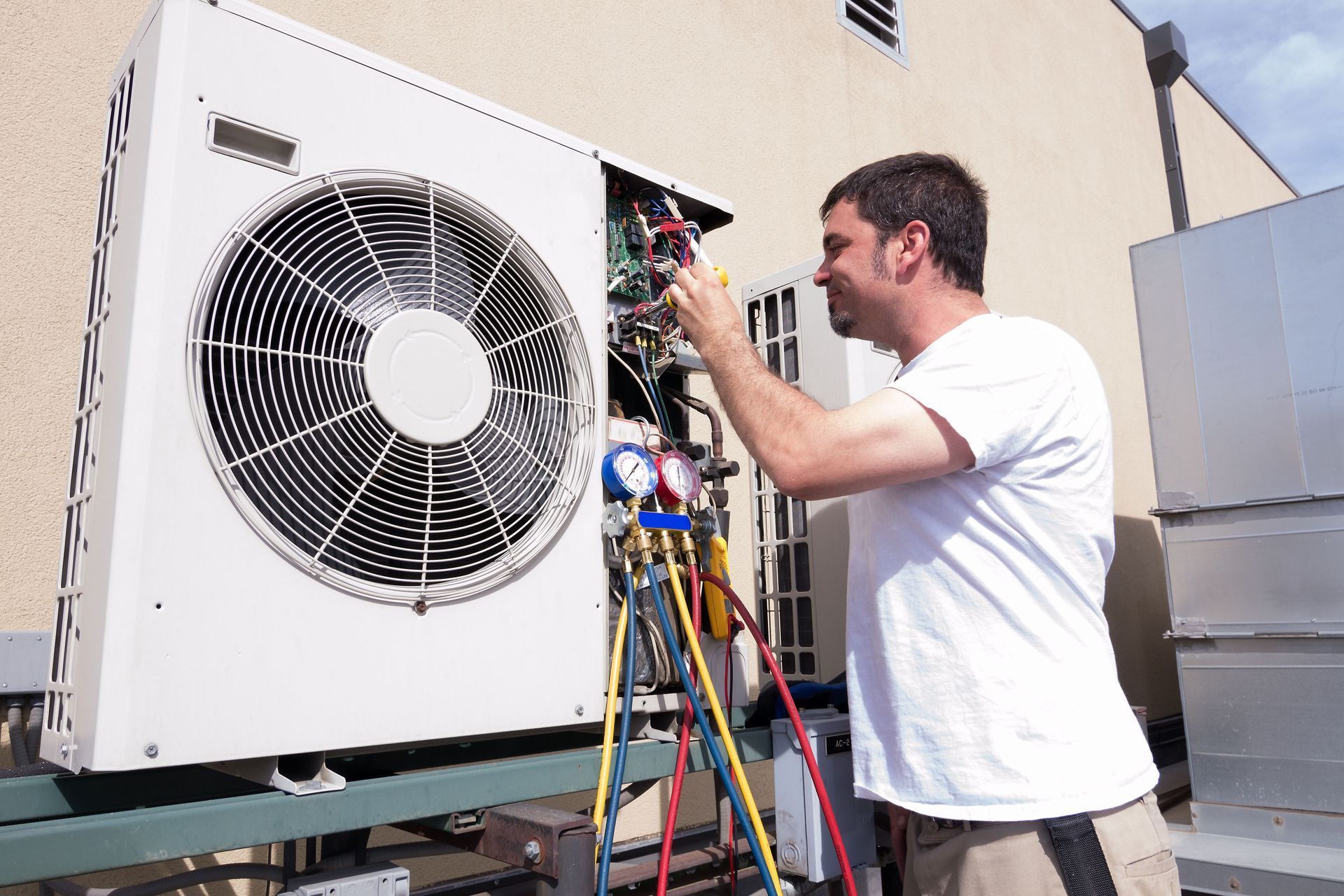
An AC unit is composed of various essential components that work together for cooling efficiency. The main parts include the compressor, condenser coil, evaporator coil, and fans. Each component has a distinct role, with the compressor serving as the heart of the system by pressurizing the refrigerant. Smart homeowners recognize the importance of understanding these components to diagnose potential issues accurately. This knowledge helps them make informed decisions whether to handle repairs themselves or call a professional.
AC systems function by drawing warm air from your home, cooling it, and then circulating the cooled air back through vents. This process involves a refrigeration cycle where the refrigerant is compressed, condensed, and evaporated. It’s a continuous loop that requires each component to function optimally. By understanding this process, homeowners can better appreciate the complexity of these systems. This understanding is vital for recognizing problems early and determining the most effective solutions.
Common signs of AC problems include reduced cooling efficiency, strange noises, and uneven temperature distribution. Recognizing these signs early can prevent minor issues from escalating into major repairs. Smart homeowners also know that regular maintenance, such as annual check-ups, is critical for preventing these problems. By investing in maintenance, they ensure the longevity and efficiency of their AC systems. This approach aligns with environmental considerations as well, as well-maintained systems consume less energy.
Identifying Common AC Problems
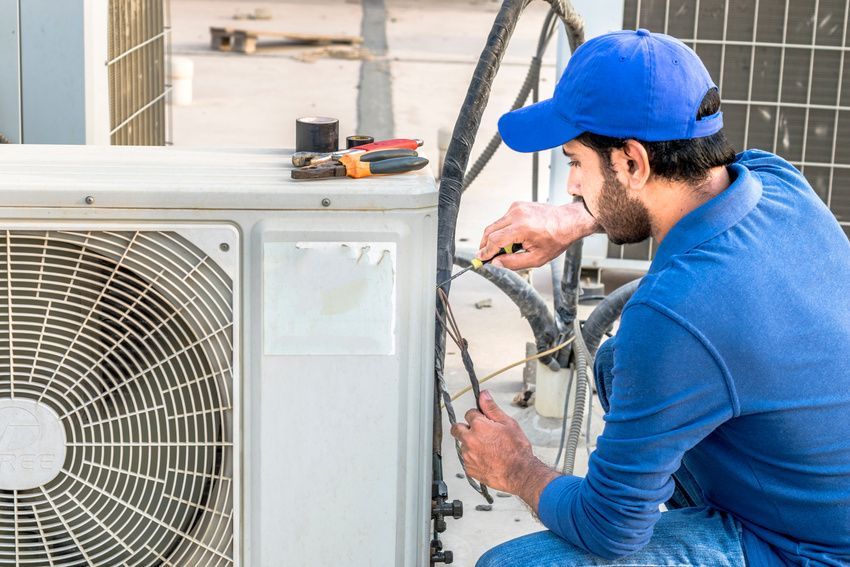
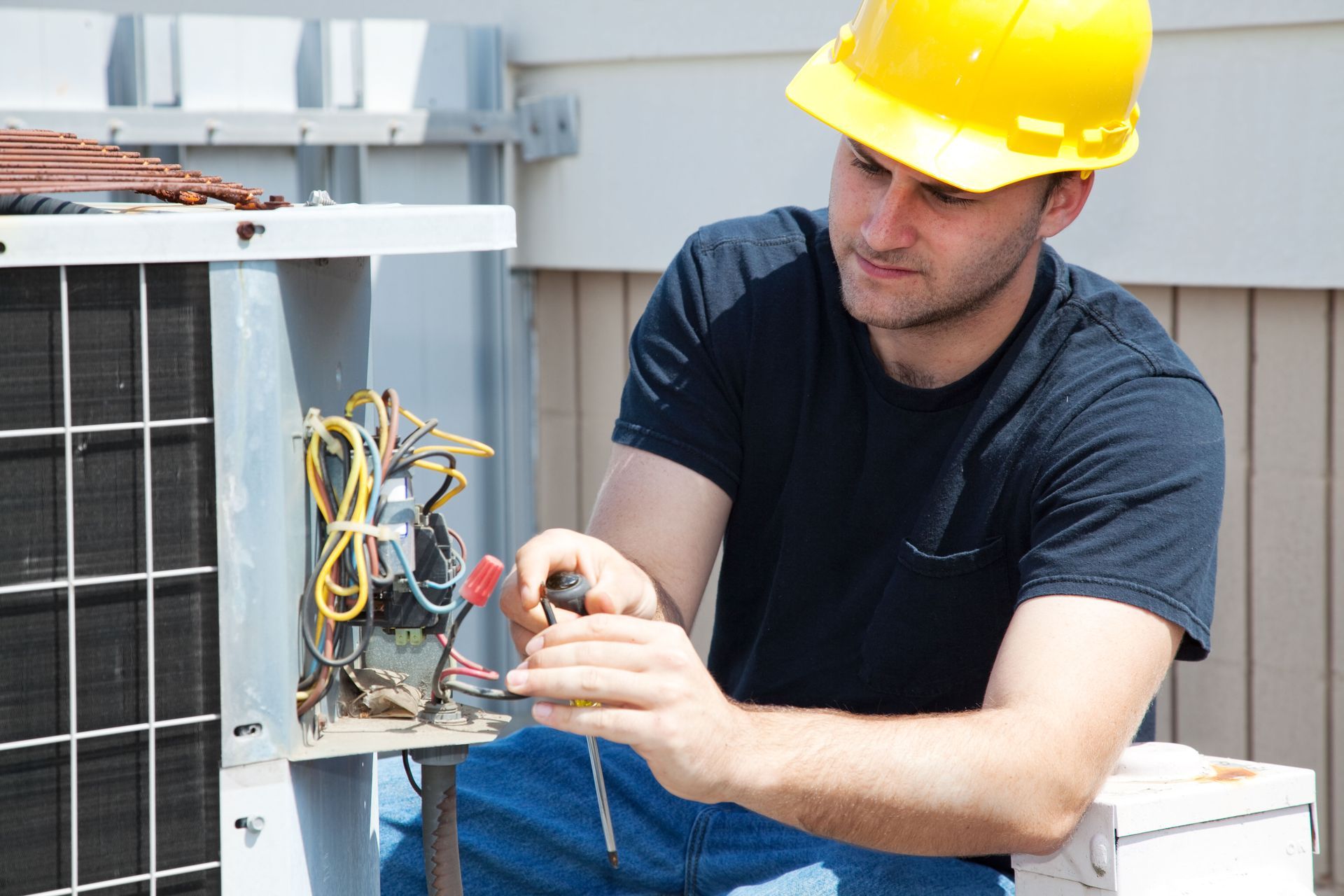
An air conditioner failing to turn on is usually due to electrical issues or thermostat malfunctions. Smart homeowners typically start by checking the power source and ensuring the thermostat is set correctly. If these areas are appropriately configured and the unit still doesn't start, it may be necessary to inspect the circuit breaker. When homeowners recognize these issues early, they can address them promptly, minimizing downtime and discomfort. Electrical issues should typically be handled by professionals to ensure safety and prevent further damage.
Insufficient cooling can result from various problems such as low refrigerant levels, dirty coils, or blocked filters. Smart homeowners often start troubleshooting by replacing or cleaning filters. They understand that regular maintenance prevents debris build-up, which can impede airflow and cooling efficiency. When basic solutions don’t resolve the issue, it might indicate a refrigerant leak, requiring professional attention. With U.S. HVAC market values projected to grow substantially, professional HVAC services are increasingly accessible for efficient problem resolution.
Strange noises and odors coming from an AC system are common indicators of underlying problems. Rattling noises often suggest loose components, while burning smells may indicate electrical issues. Smart homeowners know the importance of addressing such symptoms immediately to prevent further complications. If an unusual noise or odor persists, they consult with HVAC experts to identify the root cause. This proactive approach not only ensures safety but also keeps repair costs minimal by addressing problems before they escalate.
Determining When to DIY or Call a Professional
Smart homeowners are adept at handling simple DIY fixes and know the importance of recognizing their limits. They often take care of tasks like replacing air filters, cleaning vents, and setting thermostats. These minor maintenance actions can improve AC performance and extend system life. However, when the problem involves electrical components or refrigerant, they understand professional expertise is required. This discerning approach helps avoid potential hazards associated with incorrect repairs.
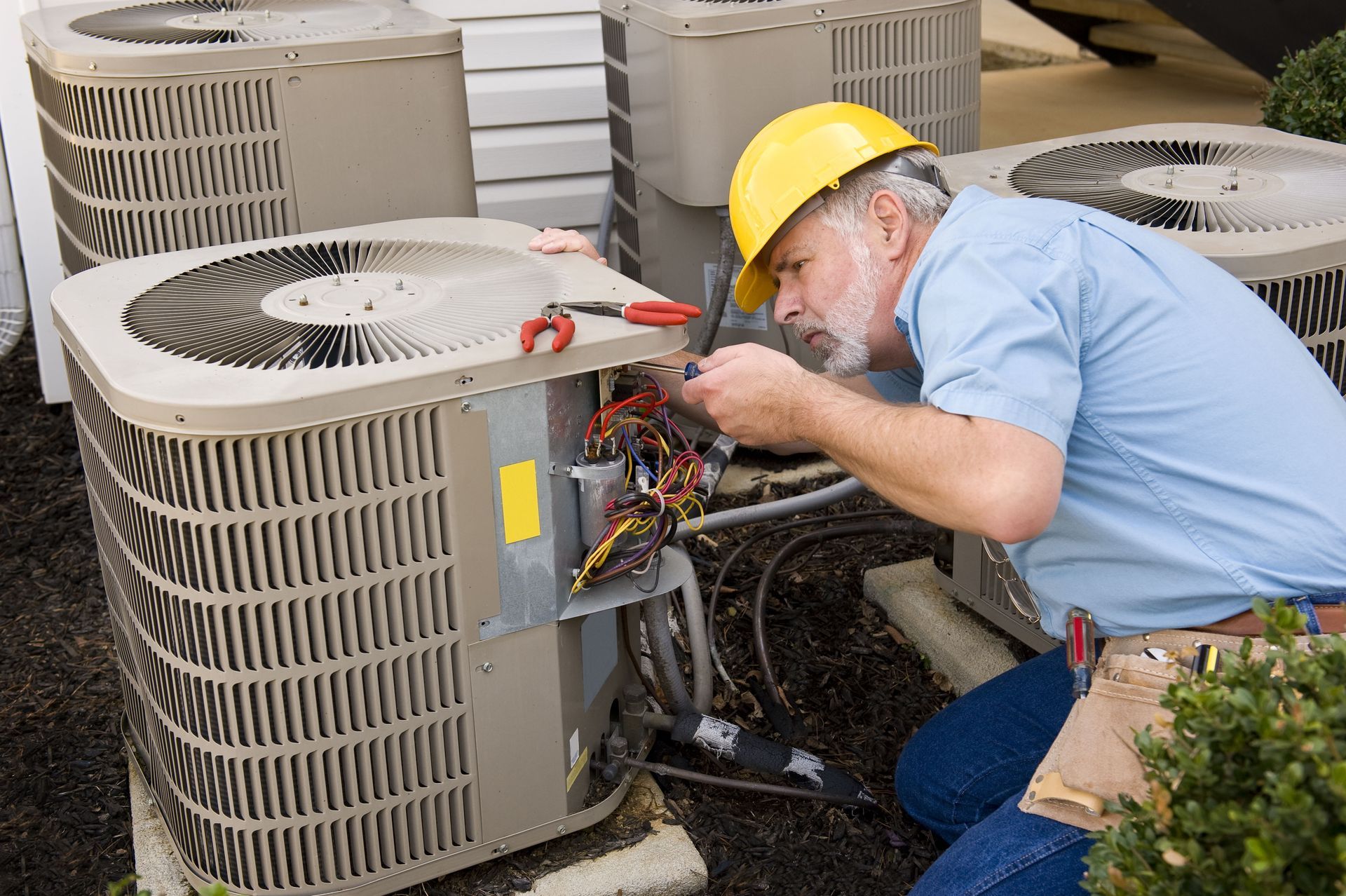
Recognizing when to call a professional is crucial for intelligent AC repair management. When the issue involves persistent leaks, electrical malfunctions, or component replacements, professionals are best suited to address the problem. Smart homeowners are aware of these intricate issues that require professional intervention. With the HVAC market in the U.S. growing significantly, finding qualified professionals is more accessible than ever. Employing expert help ensures accurate diagnosis and efficient repair, preventing further damage and ensuring safety.
While some simple AC fixes seem manageable, DIY repairs come with potential risks. Incorrect handling of electrical systems or refrigerants can lead to safety hazards or further damage. Smart homeowners approach DIY repairs with caution, educating themselves on potential risks and knowing their limits. Understanding when a task exceeds their capabilities protects both their safety and the functionality of their AC system. Collaborating with professional HVAC technicians minimizes these risks, resulting in more efficient and safer repairs.
Preventative Maintenance Practices
Regular filter replacement is an essential preventative maintenance practice that smart homeowners prioritize. Filters that are clogged with dust and debris restrict airflow and reduce system efficiency. Replacing filters every one to three months ensures optimal performance and energy efficiency. This simple yet effective practice prevents undue strain on the system and extends its lifespan. By staying consistent with filter replacement, homeowners can maintain healthy indoor air quality and energy savings.
Cleaning the coils and fins is another maintenance task that smart homeowners conduct regularly. Dust and debris accumulation on these components can hinder heat exchange, reducing cooling efficiency. Homeowners often clean these areas annually to prevent such build-ups. When coils and fins are well-maintained, the AC system can operate efficiently, consuming less energy. This practice aligns with the growing emphasis on energy conservation in the HVAC industry, contributing to environmental sustainability.
Checking and sealing ductwork helps maintain optimal system performance and energy efficiency. Ducts that are not properly sealed can lead to air leaks, resulting in energy wastage and uneven cooling. Smart homeowners periodically inspect their ductwork to ensure there are no leaks or damages. By addressing these issues promptly, they optimize the system’s functionality and energy use. This proactive approach is essential, especially given the U.S. HVAC market's continuing growth, with the projected increase driving the demand for efficient system management.
Leveraging Smart Home Technology for AC Management
Smart thermostats are valuable tools for homeowners looking to maximize energy savings. These devices allow for precise temperature control and programming based on individual preferences and schedules. Smart homeowners use these thermostats in conjunction with AC systems to optimize energy use, contributing to reduced energy bills. Through this technology, they can adjust temperatures remotely, allowing for efficient cooling even during absence periods. With HVAC market growth accelerating innovations, integrating smart thermostats has become a crucial step for energy-conscious homeowners.
Remote monitoring and control offer convenience and efficiency, which smart homeowners take advantage of in AC management. These features allow monitoring of system performance and making adjustments from anywhere using smartphones or tablets. Homeowners can detect issues promptly and contact professionals to address problems before they escalate. Smart technologies also provide peace of mind, knowing home systems are monitored and managed efficiently. This approach significantly reduces the likelihood of unexpected failures, ensuring consistent comfort in the home.
Smart homeowners proactively manage their AC repairs by understanding system basics, identifying problems early, knowing when to seek professional help, practicing preventive maintenance, and using smart technology. According to Workyard, the U.S. HVAC market value hit $30.41B in 2023, with a projected 7.4% annual growth rate through 2030. By staying informed and vigilant, they enhance their home comfort while optimizing efficiency and cost-effectiveness. With the HVAC industry's rapid growth and evolving technology, maintaining this proactive approach ensures sustained system performance and energy savings. By adopting these intelligent practices, homeowners can navigate the complexities of AC management successfully. This comprehensive approach enables them to enjoy sustained comfort and efficiency, contributing to greener, smarter homes. Be sure to reach out to Austin Cool Air today for more information on our professional AC repair!