May 12, 2026
Whether you are cooling a small family home or managing a large commercial facility, your cooling system serves as the heartbeat of your property. Ignoring minor malfunctions often leads to catastrophic failures that disrupt your daily routine and inflate your monthly expenses. Because modern systems are complex, early intervention is the best way to protect your investment and ensure your environment remains safe and temperate. Understanding the importance of timely AC repair is critical for both efficiency and safety. Addressing certain warning signs can prevent extensive damage and costly repairs while keeping your indoor air quality at its peak. According to Workyard, 90% households in the U.S. use air conditioning, making it one of the most vital utilities in the modern age.
1. Monitor Poor Airflow or Lack of Cool Air
Poor airflow or a lack of cool air can substantially diminish the comfort of your living or working environment. Blocked or dirty filters are a common culprit, as they restrict air circulation and strain the entire system beyond its intended capacity. This not only impairs cooling efficiency but also reduces indoor air quality, potentially exacerbating respiratory issues in occupants. Replacing or cleaning filters regularly is an easy way to maintain healthy airflow and reduce unnecessary energy consumption.
Ductwork issues can also contribute to compromised airflow, often due to leaks or physical obstructions in the vents. Leaks in ductwork can waste up to 30% of a property's energy, significantly affecting your utility bills and causing the system to run constantly. Addressing these issues promptly by sealing leaks and ensuring ducts are clear of debris can restore the system's original efficiency. Regular inspection of ductwork is essential for maintaining optimal performance and avoiding unexpected surges in energy costs.
Compressor problems are another major factor that can cause insufficient cooling and may eventually necessitate an AC repair to restore function. The compressor is the heart of the system, and if it malfunctions, it can impact the ability to circulate refrigerant effectively. Issues like frozen evaporator coils can arise, which further complicate the cooling capacity and can lead to a total system shutdown. Recognizing signs of a struggling compressor, such as unusual noises or longer cooling times, should prompt an immediate professional evaluation. Routine maintenance checks focused on the compressor can preempt more serious system breakdowns and save you from a full replacement.
2. Detect Foul Odors Emanating from the System
Foul odors from your cooling system can indicate health-threatening issues like mold and mildew build-up inside the dark, damp components. These smells often result from excess moisture within the unit, leading to organic growth that can pollute the air you breathe every day. Mold not only aggravates allergies but can also cause respiratory infections if inhaled regularly by residents or employees. Maintaining your system with regular cleaning and dehumidification prevents mold growth and preserves a safe indoor environment. Addressing odors swiftly ensures a healthier living space and preserves the longevity of your mechanical components.
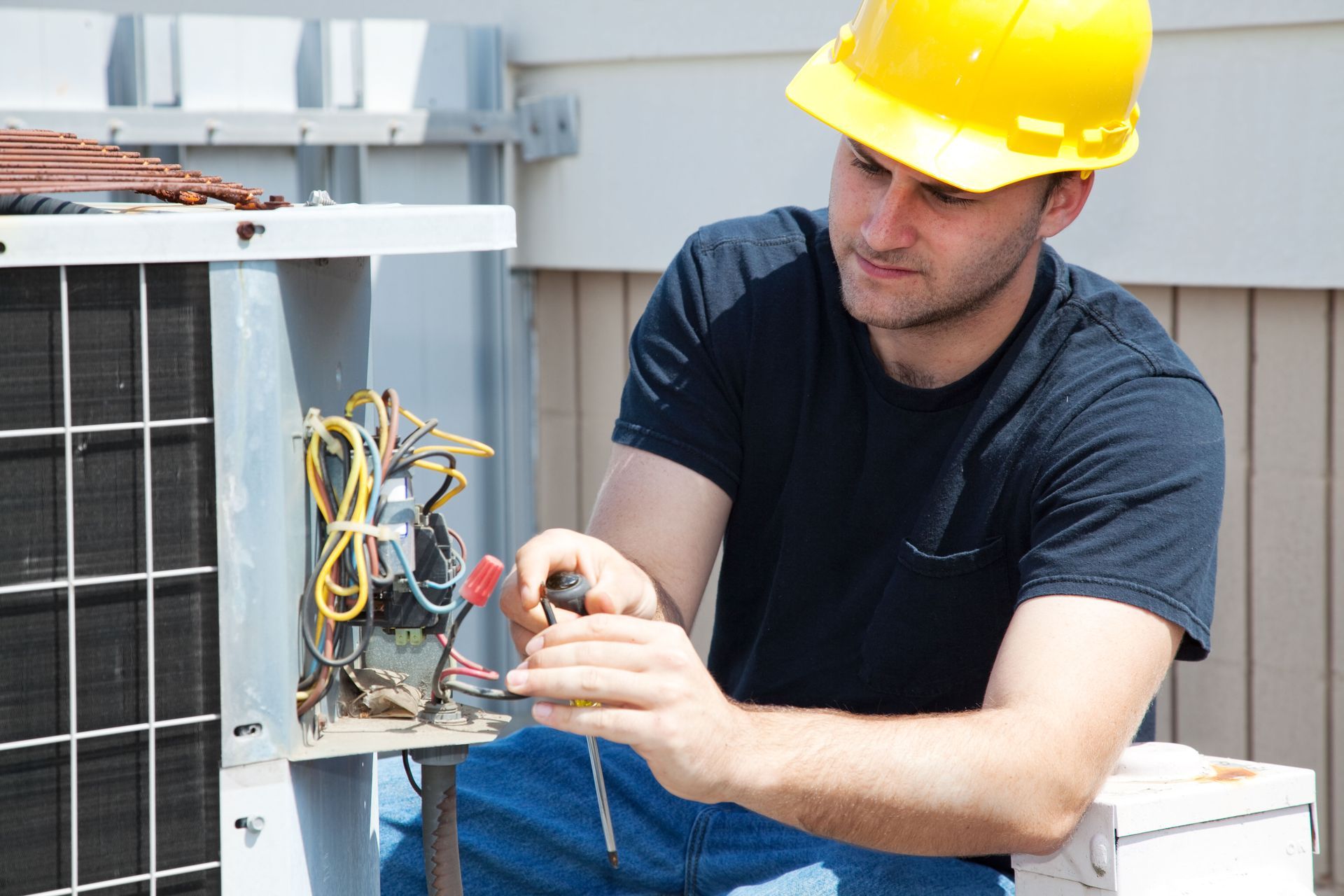
A burning smell is another alarming sign, typically indicating electrical problems or overheating components within the unit. Such odors may suggest that certain parts are overheating or that wires are melting, posing a significant fire risk to the structure. Promptly turning off the system and seeking a professional AC repair is essential to avoid potential damage and ensure the safety of everyone inside. Regular electrical inspections can help forestall these risks by identifying frayed wires or loose connections early. Keeping your system's wiring and electrical components in prime condition is vital for operational safety and overall efficiency.
3. Observe Frequent Cycling of the Unit
Frequent cycling, where the unit turns on and off more often than necessary, can be both inefficient and damaging to the motor. Thermostat malfunctions are often at the root of these issues, as they may misread the actual temperature of the room. This results in unnecessary cycles that wear down components faster and drive up your energy consumption significantly. Correcting such malfunctions with recalibration or replacement can sustain the system's longevity and daily efficiency. Ensuring the thermostat operates correctly helps maintain a consistent and comfortable indoor temperature without overworking the hardware.
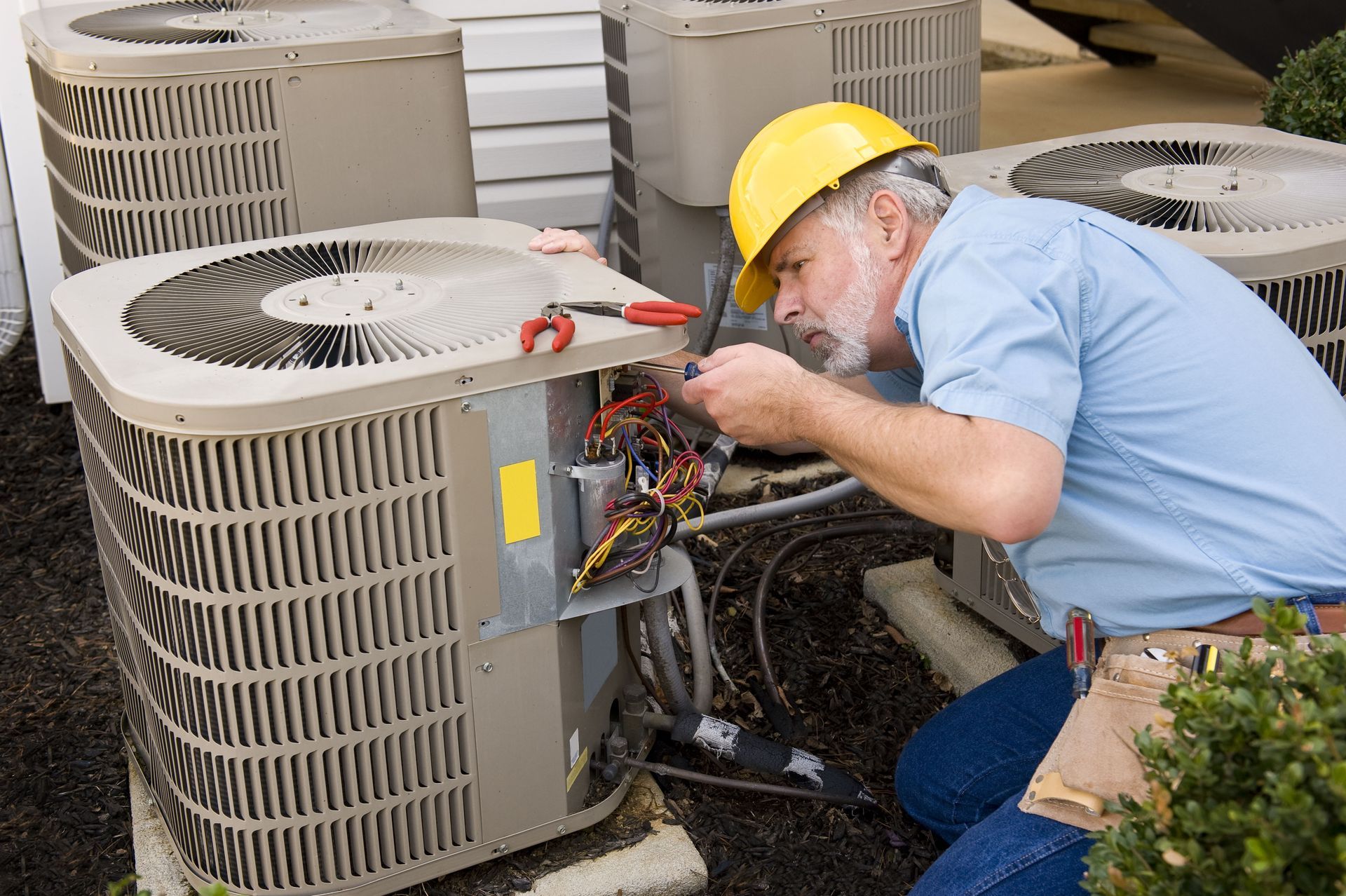
Electrical issues could also trigger frequent cycling, affecting not only efficiency but potentially risking permanent damage to the expensive internal motors. Faulty wiring or poor connections can lead to intermittent power supply disruptions, which stress both the fan motor and the compressor. Having a certified technician examine the system can verify electrical integrity and avert the need for a major AC repair later. Regular electrical check-ups can significantly extend the life of your air conditioning unit and prevent sudden failures.
4. Review Unexplained Increases in Energy Bills
An unexplained increase in energy bills often points to deep-seated inefficiencies in your cooling system that need to be addressed. Ineffective insulation can be a significant contributor, allowing heat exchange between the indoors and outdoors and forcing the machine to work overtime. Implementing improved insulation measures, like sealing windows and doors, can help stabilize energy consumption and reduce the workload on your unit. This not only reduces costs but also enhances the overall comfort within your home or office. Recognizing and addressing these inefficiencies plays an important role in overall household or business energy management.
The age and general wear of the system are also key factors, especially in older units nearing the end of their functional lifespan. With time, parts naturally degrade and performance diminishes, resulting in increased energy use to deliver the same cooling effect. Evaluating the cost-benefit of a major AC repair versus a full system replacement is essential in these circumstances to save money. In some cases, upgrading to a more modern, energy-efficient model may present significant long-term savings for the property owner. Regular maintenance can extend the life of the system and defer the major investment required for new equipment.
5. Inspect for Leaking or Moisture Accumulation
Leaking or moisture accumulation around your unit signifies issues that can lead to more severe structural damage if left ignored. Refrigerant leaks, in particular, can severely hinder the system's cooling capabilities and have serious health and environmental implications. Identifying signs like dampness or reduced cooling efficiency early can prevent hazardous exposure and costly system repairs. Immediate professional intervention is essential to handle refrigerant safely and restore the system to its optimal functioning state. Regular inspections support early detection and reduce the potential for these leaks to cause a total system failure.
Drainage problems can often be the cause behind moisture build-up, leading to possible water damage or mold growth in your floors and walls. Clogged drains restrict the removal of condensed water, potentially overflowing and causing structural damage to the area where the unit is installed. Ensuring drains are clear prevents these issues and maintains the surrounding structures' integrity over many years of use. Conducting routine inspections to verify the drainage system's proper operation is key to avoiding expensive moisture-related damage.
Excessive condensation or high indoor humidity can also indicate alignment or sizing issues within the cooling system. Poor humidity control may lead to ineffective cooling and exacerbate wear and tear due to constant moisture exposure on metal parts. Adjusting settings and ensuring the system is correctly calibrated can address these concerns and improve your comfort levels. Professionals can offer tailored solutions to improve indoor humidity management and boost the overall comfort of your indoor space. Prioritizing the resolution of moisture accumulation supports the longevity and health of your system and prevents the need for an emergency AC repair.
Ignoring warning signs in AC systems can lead to extreme inefficiency, higher operational costs, and significant health risks for your family or employees. Recognizing these urgent warnings and taking timely action can ensure the longevity and reliability of your entire cooling system. Regular maintenance and prompt repairs play a vital role in maintaining optimal performance and comfort throughout the seasons. The importance of addressing these issues promptly cannot be overstated, particularly when 90% of U.S. households rely on air conditioning for daily comfort. We are proud to offer 24/7 emergency service, manufacturer warranties, and labor warranties to ensure your peace of mind. By staying proactive and scheduling an
AC repair at the first sign of trouble, you can mitigate risks and enjoy a comfortable environment year-round. Contact Austin Cool Air today to keep your system running perfectly.